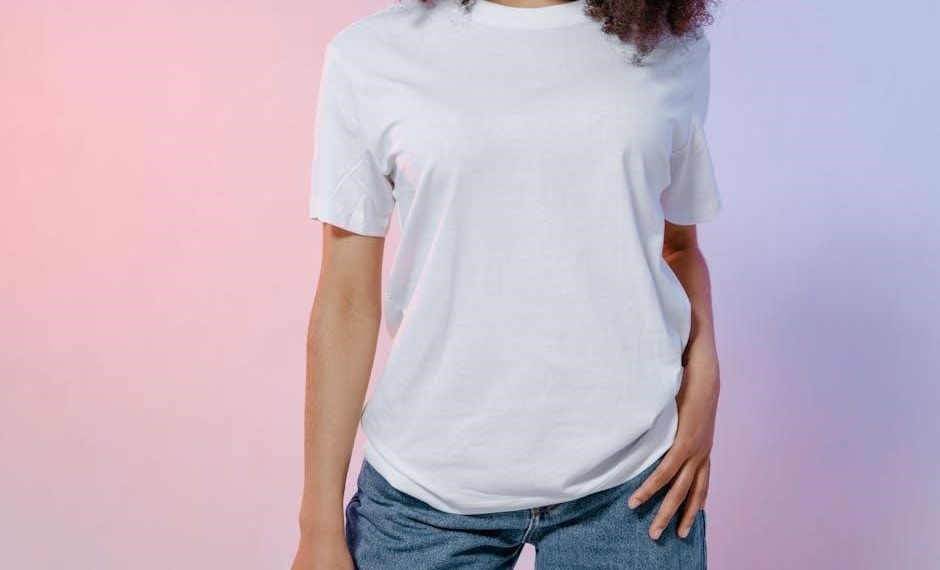
unisex shirt size guide
Unisex Shirt Size Guide: A Comprehensive Overview (Updated 03/04/2026)
Navigating the world of unisex t-shirt sizing can be tricky! This guide, updated today, offers detailed insights, utilizing Standard EFF measurements and visual resources.
Explore 180+ stock illustrations for clarity, ensuring a perfect fit, whether you’re browsing new designs or renewing your wardrobe with confidence.
Understanding Unisex Sizing
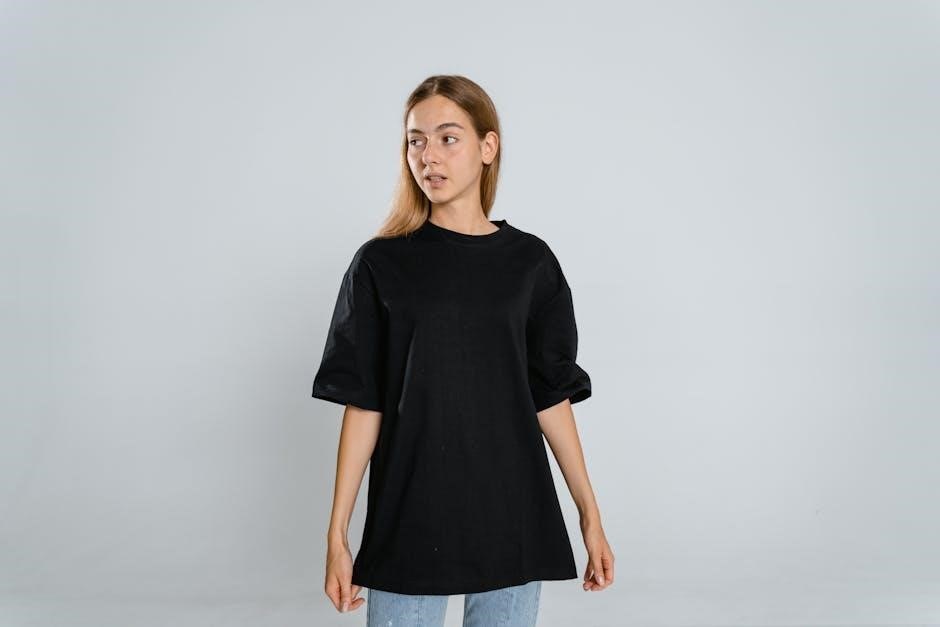
Unisex sizing aims to bridge the gap between traditionally tailored men’s and women’s apparel, offering a more inclusive and versatile fit for all body types. It’s not simply a “one-size-fits-all” approach, but rather a design philosophy centered around a straighter cut and less emphasis on curves.
These garments are typically cut with a classic, relaxed silhouette, avoiding a highly tapered waist or specifically shaped shoulders. This allows for a comfortable and flattering fit on a wider range of individuals. However, it’s crucial to remember that bodies vary, and relying solely on a labeled size can be misleading.
Therefore, accurate measurements are paramount when selecting a unisex shirt. Understanding that these sizes are based on average body dimensions, and acknowledging potential variations between brands, is key to achieving the desired fit. This guide will equip you with the knowledge to confidently navigate the world of unisex apparel.
Why Use a Unisex Size Guide?
Utilizing a unisex size guide is essential for minimizing returns and maximizing satisfaction when purchasing t-shirts online or from brands with limited fitting room access. Traditional sizing can be inconsistent, leading to frustration and wasted time. Unisex guides offer a standardized approach, focusing on key body measurements rather than gendered assumptions.
This is particularly beneficial when shopping for gifts or when individuals prefer a less fitted, more comfortable style. A well-defined guide empowers you to accurately predict how a garment will fit, reducing the likelihood of receiving a shirt that’s too tight, too loose, or simply the wrong size.
Ultimately, a unisex size guide promotes inclusivity and simplifies the shopping experience, ensuring a better fit and greater confidence in your purchase. It’s a valuable tool for anyone seeking comfortable and stylish apparel.
Key Measurements for Shirt Fitting
Achieving the perfect fit hinges on understanding four crucial measurements: chest/bust, shoulder, sleeve length, and body length. These dimensions, typically measured in inches, form the foundation of any accurate size assessment. The chest/bust measurement, taken at the fullest part, dictates the shirt’s width. Shoulder measurement, from shoulder point to shoulder point, impacts how the shirt sits across the upper back.
Sleeve length, measured from the shoulder point to the wrist, determines sleeve coverage. Finally, body length, from the high point of the shoulder to the hem, influences the overall shirt proportion.
Accurate measurement of these areas is paramount, as variations even by an inch can significantly alter the fit and comfort of a unisex t-shirt. Prioritize precision for optimal results.
Chest/Bust Measurement
The chest/bust measurement is arguably the most critical for a comfortable and flattering unisex t-shirt fit. To obtain an accurate reading, stand naturally and have someone measure around the fullest part of your chest or bust, keeping the measuring tape parallel to the floor.
Ensure the tape is snug but not constricting – avoid pulling it too tightly or leaving it too loose. Breathe normally during the measurement process. This dimension directly correlates to the shirt’s width; a larger chest/bust requires a larger size.
Remember, unisex sizing doesn’t account for chest shape, so consider your build when selecting a size. Compare your measurement to the size chart provided by the brand for the most accurate result.
Shoulder Measurement
Determining your shoulder measurement is vital for ensuring the t-shirt sits correctly and comfortably. This measurement impacts how the shirt drapes and whether it feels restrictive. To measure, find the point where your shoulder meets your arm.
Measure across your back, from the outside edge of one shoulder to the outside edge of the other. Keep the measuring tape straight and level. This measurement, combined with the chest/bust size, helps determine the overall fit of the shirt.
Pay attention to shoulder slope; a wider shoulder may necessitate a larger size, even if your chest measurement falls within a smaller range. Consult the brand’s specific size chart, as shoulder measurements can vary.
Sleeve Length Measurement
Accurate sleeve length measurement is crucial for both comfort and style. Begin by bending your elbow at a 90-degree angle. Then, measure from the center back of your neck, over your shoulder point, and down to your wrist bone.
Ensure the measuring tape remains taut but not constricting. Sleeve length significantly impacts the overall aesthetic – too long can appear sloppy, while too short can feel restrictive.
Consider your preference: some prefer a full sleeve, while others favor a shorter, more modern look. Brand variations are common, so always cross-reference your measurement with the specific size chart provided. Visual guides can also assist in determining the ideal sleeve length for your body type.

Body Length Measurement
Determining the correct body length ensures the t-shirt flatters your torso and provides adequate coverage. Start measuring from the highest point of your shoulder – where the shoulder seam would typically sit – and measure straight down to the desired hemline.
Consider where you prefer your shirt to fall; options include at the waist, mid-hip, or longer for a tunic style. Personal preference is key! A longer body length can be beneficial for those who like to tuck in their shirts or prefer a relaxed fit.
Remember that variations exist between brands, so always consult the specific size chart. Visual guides can help illustrate different body lengths and how they appear on various body types, aiding in a confident purchase.
Standard Unisex T-Shirt Size Chart (Inches)
Below is a general guideline for standard unisex t-shirt sizes, measured in inches. Keep in mind these are typical dimensions and can vary significantly between manufacturers. Always prioritize checking the brand’s specific size chart for the most accurate fit.
This chart provides a starting point for understanding how chest/bust, shoulder, and body length measurements translate into common sizes. Use this as a reference alongside your personal measurements, taken accurately as described in our guide.
We will detail typical dimensions for Small (S), Medium (M), Large (L), Extra Large (XL), and 2XL, providing a foundational understanding of unisex sizing. Remember, a comfortable fit is paramount!
Small (S) ⎼ Typical Dimensions
For a Small (S) unisex t-shirt, expect a chest/bust measurement ranging from 34-36 inches. Shoulder width typically falls between 16-17 inches, providing a comfortable fit for narrower frames. The sleeve length generally measures around 8-9 inches from the shoulder seam to the cuff.
Body length, measured from the highest point of the shoulder to the hem, usually sits between 27-28 inches. These dimensions are designed for a more fitted, yet relaxed, silhouette. Individuals with broader chests or longer torsos may find this size restrictive.
Remember, these are averages. Variations exist! Always consult the specific brand’s size chart before purchasing to ensure the best possible fit and avoid disappointment.
Medium (M) ⎼ Typical Dimensions
The Medium (M) unisex t-shirt generally accommodates a chest/bust measurement of 38-40 inches, offering a more relaxed fit than the Small size. Shoulder width typically ranges from 17.5-18.5 inches, suitable for average builds. Expect a sleeve length of approximately 9-10 inches, providing adequate coverage without being overly long.
Body length, measured from shoulder to hem, usually falls between 28.5-29.5 inches. This size is a popular choice for those seeking a comfortable, not-too-tight, not-too-loose fit. However, individuals with particularly muscular builds might prefer a Large for greater freedom of movement.
Always prioritize checking the brand’s specific size chart, as variations are common. This ensures a perfect fit and avoids unnecessary returns!
Large (L) ⎯ Typical Dimensions
The Large (L) unisex t-shirt is designed for individuals with a chest/bust measurement between 42-44 inches, providing a comfortable and roomy fit. Shoulder width generally falls within the 19-20 inch range, accommodating broader shoulders. Sleeve length typically measures 10.5-11.5 inches, offering ample arm coverage.
Body length, from shoulder to hem, usually spans 30-31 inches, suitable for taller individuals or those who prefer a longer shirt. This size is often favored by those with athletic builds or those who simply prefer a looser, more relaxed silhouette.
Remember to consult the specific brand’s size chart, as variations exist. A quick measurement check will guarantee the best possible fit and overall satisfaction!
Extra Large (XL) ⎼ Typical Dimensions
The Extra Large (XL) unisex t-shirt caters to individuals with a chest/bust measurement ranging from 46-48 inches, offering a generous and comfortable fit. Shoulder measurements typically fall between 21-22 inches, accommodating broader frames. Sleeve length generally extends to 11.5-12.5 inches, providing full arm coverage.
Body length, measured from the shoulder to the hem, usually spans 31-32 inches, ideal for taller individuals or those desiring a longer shirt length. This size is a popular choice for those seeking a relaxed and unrestricted feel.
Always prioritize checking the specific brand’s size chart, as slight variations are common. Accurate measurements ensure a perfect fit and maximum comfort!
2XL ⎼ Typical Dimensions
The 2XL unisex t-shirt is designed for individuals with a chest/bust measurement between 50-52 inches, providing ample room and comfort. Shoulder measurements typically range from 22-23 inches, accommodating wider shoulders. Sleeve length generally extends to 12.5-13.5 inches, ensuring full arm coverage without restriction.
Body length, measured from the shoulder to the hem, usually falls between 32-33 inches, suitable for taller individuals or those who prefer a longer shirt. This size offers a relaxed and comfortable fit for larger builds.
Remember to consult the specific brand’s size chart, as variations can occur. Accurate measurements are key to achieving the perfect fit and maximizing comfort!
Variations in Unisex Sizing Across Brands
Unisex sizing isn’t standardized; significant variations exist between brands. What constitutes a “Large” at one company might fit differently at another. These discrepancies stem from differing cut styles, fabric compositions, and target demographics. Some brands prioritize a slim fit, while others favor a looser, more relaxed silhouette.
Factors like the manufacturer’s origin and intended market also play a role. European brands often run smaller than American ones. Always prioritize checking the specific size chart provided by the brand you’re purchasing from.
Don’t rely solely on generic size guides. Comparing your measurements to the brand’s chart is crucial for avoiding sizing errors and ensuring a comfortable, flattering fit. Visual guides and stock illustrations can also help!
How to Accurately Measure Yourself
Precise measurements are key to finding the perfect unisex t-shirt fit. Start with a flexible measuring tape – a fabric one is ideal. Stand naturally and have a friend assist for the most accurate results, if possible. Measuring alone can lead to inconsistencies.
Begin with the chest/bust: measure around the fullest part, keeping the tape level. For shoulder measurements, measure from shoulder point to shoulder point. Sleeve length is measured from shoulder point to wrist. Finally, body length is from the high point of the shoulder to the desired hem length.
Record all measurements carefully and compare them directly to the brand’s specific size chart. Don’t round up or down; use the closest match!
Using a Flexible Measuring Tape
A flexible measuring tape is essential for accurate shirt sizing. Avoid using metal tapes, as they don’t conform to body contours. Fabric or vinyl tapes are best, providing a snug but not constricting measurement. Ensure the tape is level around your body throughout the process.
When measuring, keep the tape comfortably snug – not too tight, and not too loose. Pulling the tape too tightly will result in a smaller measurement, leading to a shirt that’s too small. Conversely, a loose tape yields a larger measurement and a potentially oversized garment.
Double-check each measurement before recording it. A small error can significantly impact the final fit. Consider marking your measurements immediately to avoid confusion.
Getting Help with Measurements
Measuring yourself can be challenging, especially reaching areas like your back or shoulders. Don’t hesitate to enlist the assistance of a friend or family member! Having another person take your measurements ensures greater accuracy and reduces the chance of errors.
When asking for help, clearly communicate which measurement you need. Guide them on how to hold the measuring tape – level and comfortably snug – to obtain the most precise results. Explain the importance of not pulling the tape too tightly or leaving it too loose.
A second pair of eyes can also help confirm the reading on the measuring tape, minimizing misinterpretations. This collaborative approach significantly improves the reliability of your sizing information, leading to a better-fitting shirt.

Common Fitting Issues & Solutions
Even with careful measurements, fitting issues can arise; A common problem is a shirt feeling too tight across the chest. If this happens, consider sizing up, especially if you have broader shoulders or a larger bust. Alternatively, explore brands known for more generous cuts.
Shirts that are too long or short can disrupt the overall look. If consistently experiencing this, review the body length measurements in size charts and choose accordingly. Some brands offer “tall” or “petite” options.
Sleeves that are too long or short are also frequent concerns. Check sleeve length measurements and remember that sleeve length impacts overall proportion. Minor adjustments by a tailor can often resolve these issues for a perfect fit!
Shirt Too Tight Across the Chest
A shirt feeling constricting across the chest is a frequent fitting issue, particularly with unisex styles; This often indicates the chest/bust measurement wasn’t adequately considered during sizing. Remember, unisex shirts are designed to be relatively straight-cut, not contoured to the body.
The primary solution is to size up. Don’t hesitate to move to the next size, even if other measurements seem correct. Consider your bra size (if applicable) when assessing fit; a supportive bra can sometimes mitigate tightness.
Explore different brands. Some brands offer more generous chest measurements within the same labeled size. Checking brand-specific size charts is crucial. Fabric composition also plays a role – less stretchy fabrics require more room.
Shirt Too Long or Short
An ill-fitting body length can significantly impact a shirt’s overall appearance and comfort. A shirt too long can appear sloppy, while one too short may ride up or feel restrictive. This issue often arises because body length varies considerably between individuals, even within the same height range.
If the shirt is too long, consider a tuck or a knot to adjust the length. Alternatively, explore brands known for shorter body lengths. If it’s too short, sizing up is generally the best solution, but be mindful of potential looseness in other areas.
Accurate body length measurement is key. Measure from the high point of the shoulder down to the desired hemline. Remember that shrinkage can occur after washing, so factor that in when choosing a size.
Sleeves Too Long or Short
Sleeve length is crucial for both aesthetics and comfort. Sleeves that are too long can bunch up at the wrists and interfere with movement, while sleeves that are too short can look disproportionate and feel restrictive. This is a common fitting issue, as arm length doesn’t always correlate directly with overall height.
If sleeves are too long, consider having them professionally altered or rolling them up for a more casual look. If they’re too short, sizing up might help, but it could affect the overall fit of the shirt.
To measure accurately, extend your arm naturally and measure from the shoulder point, across the back, and down to the wrist bone. Consider your preferred sleeve style – some prefer a more fitted sleeve, while others prefer a looser fit.
Converting Unisex Sizes to Other Systems

Understanding the nuances between unisex, women’s, and men’s sizing is essential for a successful purchase. Unisex sizing is designed to be a middle ground, but conversions are often necessary for a more tailored fit.
Generally, a unisex size translates to a smaller size in women’s sizing. For example, a unisex Medium might equate to a Women’s Large. Conversely, a unisex Medium often corresponds to a Men’s Small. However, these are broad guidelines, and variations exist between brands.
It’s crucial to consult specific brand size charts (detailed later in this guide) as their interpretations of conversions can differ. Always prioritize checking measurements over relying solely on size labels to avoid disappointment and ensure optimal comfort.
Unisex to Women’s Sizes
Converting from unisex to women’s sizing typically involves sizing up one size. A unisex Small often aligns with a Women’s Medium, while a unisex Medium frequently corresponds to a Women’s Large. This accounts for differences in shoulder width and overall body shape.
However, this isn’t a universal rule. Women’s sizing can vary significantly between brands, particularly regarding bust and hip measurements. A fitted women’s style will require a different conversion than a relaxed or oversized fit.
To ensure accuracy, always compare your chest/bust measurement (taken as described in the ‘Key Measurements’ section) to the brand’s specific women’s size chart. Don’t solely rely on the unisex-to-women’s conversion as a definitive guide; prioritize individual measurements for the best fit.
Unisex to Men’s Sizes
Generally, converting from unisex to men’s sizing often means selecting the same size. A unisex Medium typically equates to a Men’s Medium, and so on. This is because unisex sizing is frequently based on standard male body measurements, offering a more relaxed fit for all genders.
However, men’s sizing also exhibits brand-specific variations, particularly in chest and waist measurements. If you prefer a more tailored fit, you might consider sizing down one size from your usual unisex selection.
For optimal results, always consult the brand’s individual men’s size chart and compare your chest and shoulder measurements. Prioritize accurate measurements over generalized conversions to avoid a poorly fitting garment. Remember, a comfortable fit is key!
Where to Find Brand-Specific Size Charts
Locating a brand’s specific size chart is crucial for accurate fitting, as unisex sizing isn’t universally standardized. The most reliable source is directly on the retailer’s or brand’s website. Look for a “Size Guide” link, often found on the product page near the size selection dropdown.
Many brands provide detailed charts with measurements for each size, sometimes including body type recommendations. Some even offer interactive tools or printable guides. Don’t hesitate to scroll to the bottom of the webpage; size charts are often located in the footer.
If shopping in person, ask a sales associate for assistance. They should have access to the brand’s sizing information. Remember, consistency across brands is rare, so always double-check!
Resources for Visual Size Guides (Stock Illustrations)
Visual aids are incredibly helpful when understanding unisex shirt sizing. Numerous stock illustration websites offer a wide variety of shirt size charts, providing clear depictions of measurements and body comparisons. A quick search for “shirt size chart” yields over 180 royalty-free options!
These illustrations often showcase different body types and how a garment might fit, aiding in visualizing the size that best suits your build. They can be particularly useful when online shopping, where trying on isn’t possible.
Websites like stock image providers offer both vector and raster images, allowing for customization and integration into your own guides or presentations. Utilizing these resources can significantly enhance understanding and reduce returns due to sizing issues.