
electric skateboard buying guide
Navigating the world of electric skateboards can be daunting, with numerous models and features available․ This guide simplifies the process, helping you choose the perfect ride․
Considering factors like budget, riding style, skill level, and terrain is crucial for a satisfying electric skateboard experience․ Let’s explore these elements together!
What is an Electric Skateboard?
An electric skateboard is essentially a traditional skateboard enhanced with an electric motor and rechargeable battery․ This innovative combination allows riders to propel themselves without the need for constant pushing, offering a convenient and exhilarating mode of transportation or recreation․ Unlike conventional skateboards relying solely on foot power, electric versions provide assisted or fully motorized movement․
These boards typically feature a remote control used to adjust speed and braking․ The motor is integrated either within the wheels (hub motors) or connected via a belt drive system; Battery capacity dictates the range, while motor power influences speed and hill-climbing ability․ They represent a fusion of skateboarding culture and modern electric vehicle technology, appealing to commuters, enthusiasts, and anyone seeking a fun, efficient way to travel short to medium distances․
Why Choose an Electric Skateboard?
Electric skateboards offer a compelling alternative to traditional skateboarding, cycling, or even walking for short to medium commutes․ They provide a fun, efficient, and eco-friendly way to navigate urban environments, bypassing traffic congestion and reducing your carbon footprint․ The effortless riding experience, thanks to the electric motor, makes them accessible to a wider range of fitness levels․
Beyond commuting, electric skateboards are simply enjoyable to ride! They offer a unique thrill and a sense of freedom․ Whether cruising along boardwalks, exploring campuses, or tackling gentle hills, these boards deliver a smooth and exhilarating ride․ They’re also a great way to learn board skills with assistance, and offer a convenient last-mile solution for public transport users․

Understanding Electric Skateboard Components
Electric skateboards comprise key parts: motors, batteries, wheels, and decks․ Each component significantly impacts performance, range, and the overall riding experience․
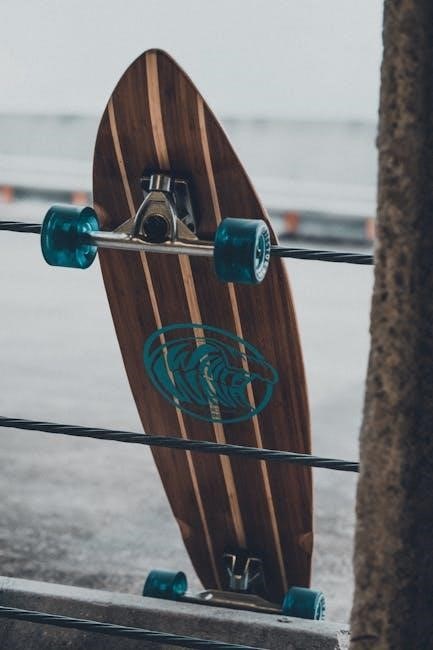
Motors: Hub vs․ Belt Drive
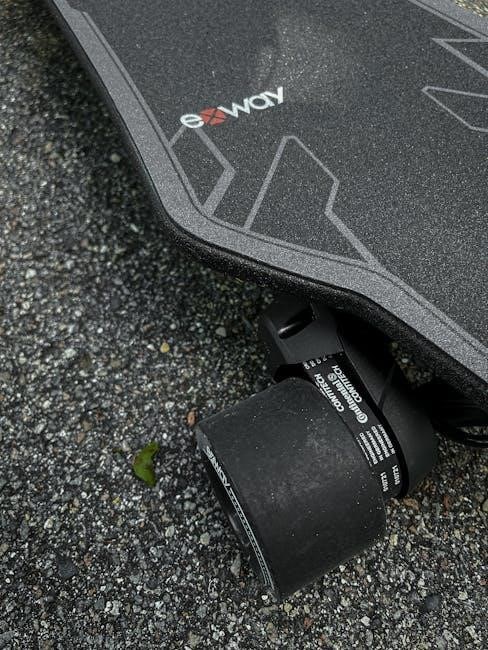
Electric skateboard motors primarily fall into two categories: hub motors and belt-drive systems․ Hub motors are integrated directly into the wheels, offering a cleaner look, quieter operation, and reduced maintenance due to fewer moving parts․ However, they generally provide less torque and can result in a harsher ride, especially on uneven surfaces․
Belt-drive systems, conversely, utilize a belt connecting the motor to a wheel pulley․ This configuration delivers superior torque, acceleration, and climbing ability, making them ideal for hills and varied terrain․ Belt drives also offer more customization options with different pulley ratios․ The downside includes increased noise, more frequent belt replacements, and a slightly more complex maintenance routine compared to hub motors․ Choosing between the two depends on your riding style and terrain preferences․
Battery: Voltage, Capacity (Wh), and Range
Electric skateboard batteries are crucial for performance․ Voltage (V) impacts speed and torque – higher voltage generally means more power․ Battery capacity, measured in Watt-hours (Wh), determines the total energy stored and, consequently, the range․ Understanding Wh is more useful than simply looking at Amp-hours (Ah) as it accounts for voltage․
Range, typically expressed in miles, is directly related to battery capacity and riding conditions․ Expect around 10-12 Wh consumption per kilometer (approximately 16-19 Wh per mile)․ Factors like rider weight, terrain, speed, and acceleration significantly affect actual range․ Larger capacity batteries provide longer rides but add weight and cost․ Consider your typical ride length when selecting a battery size․
Wheels: Material and Durometer
Electric skateboard wheels greatly influence ride quality and performance․ Wheel material is typically polyurethane, but variations exist․ Softer wheels (lower durometer) provide a smoother, more comfortable ride, absorbing vibrations effectively, and offering better grip, especially on rough surfaces․ However, they sacrifice some speed․
Harder wheels (higher durometer) roll faster and are more efficient on smooth pavement, but transmit more road vibrations․ Durometer is measured on the A scale; lower numbers (78A-83A) are softer, while higher numbers (83A+) are harder․ All-terrain boards often utilize larger, softer wheels for improved traction and obstacle navigation․ Consider your typical riding surface when choosing wheel durometer․
Deck Material and Flex
Electric skateboard decks are commonly constructed from several materials, each offering unique characteristics․ Maple wood is a popular choice, providing a balance of strength, flex, and affordability․ Bamboo decks are known for their flexibility, absorbing vibrations and offering a comfortable ride, ideal for rougher terrains․ Carbon fiber decks are lightweight and incredibly stiff, maximizing power transfer and responsiveness, favored by high-performance riders․
Deck flex impacts stability and comfort․ Flexible decks are forgiving and absorb bumps, while stiffer decks offer greater control at higher speeds․ Consider your weight, riding style, and preferred terrain when selecting deck material and flex․ A more flexible deck is better for cruising, while a stiffer deck suits aggressive riding․
Types of Electric Skateboards
Electric skateboards cater to diverse needs, ranging from beginner-friendly cruisers to powerful all-terrain boards and high-performance machines for experienced riders․
Beginner Electric Skateboards
For newcomers to the world of electric skateboarding, selecting a beginner-friendly model is paramount․ These boards prioritize stability, ease of use, and affordability, offering a gentle introduction to the exhilarating experience․ Look for models with moderate top speeds – typically between 15-20 mph – and manageable acceleration curves․
Crucially, beginner boards should feature reliable braking systems and intuitive controls․ A comfortable deck with a slight concave enhances stability, while larger wheels generally provide a smoother ride over imperfections in the pavement․ Prioritize safety features and consider boards with remote controls that display battery life and speed․ Finding the “sweet spot” between features, performance, and price is key when choosing your first board․
All-Terrain Electric Skateboards
Designed to conquer diverse landscapes, all-terrain electric skateboards boast robust construction and specialized components․ These boards excel on grass, gravel, dirt paths, and even mild trails, expanding your riding horizons beyond smooth pavement․ Key features include larger, pneumatic tires offering superior grip and shock absorption, alongside powerful motors capable of handling challenging inclines․
Expect a higher price point for all-terrain models, reflecting their enhanced capabilities and durability․ Battery capacity is also crucial, as off-road riding often demands more power․ The Propel Endeavor3 S stands out as a value-oriented option, while the Ecomobl ET Pro delivers impressive torque and range for tackling mountain trails․ Consider your typical terrain when evaluating these boards․
High-Performance Electric Skateboards
For adrenaline enthusiasts and experienced riders, high-performance electric skateboards deliver exhilarating speed, power, and control․ These boards typically feature advanced motor configurations, often utilizing dual or even quad-motor setups, providing exceptional acceleration and hill-climbing ability․ Expect top speeds exceeding 30 mph, alongside responsive braking systems and customizable ride settings․
High-performance boards often incorporate premium materials like carbon fiber decks for enhanced stiffness and reduced weight․ Battery systems are larger and more sophisticated, offering extended range and faster charging times․ While offering unmatched thrills, these boards demand a higher level of skill and necessitate comprehensive safety gear․ They represent a significant investment, catering to those prioritizing ultimate performance․

Key Features to Consider
Selecting an electric skateboard requires careful evaluation of speed, range, weight, braking, and overall build quality for optimal performance and enjoyment․
Speed and Power
Electric skateboard speeds typically range from 15 to 28 mph, but remember that top speed isn’t everything․ Consider where you’ll be riding; higher speeds demand more space and control․ Power, often measured in watts, dictates acceleration and hill-climbing ability․
More powerful motors provide quicker acceleration and can handle steeper inclines with ease․ However, increased power often comes with a trade-off in battery life․ Beginners might prefer a board with moderate power for a more manageable learning curve․ Experienced riders seeking thrills may prioritize higher wattage motors for enhanced performance․ Always prioritize safety and wear appropriate gear, regardless of speed or power․
Understanding the motor type (hub or belt) also impacts power delivery and overall riding experience․
Range and Battery Life
Electric skateboard range is heavily influenced by battery capacity, rider weight, terrain, and speed․ Range is often advertised up to 30 miles, but real-world conditions usually yield less․ Battery capacity is measured in Watt-hours (Wh), a more reliable indicator than voltage alone․
A higher Wh rating translates to a longer potential range․ Consider your typical ride length when choosing a board․ Commuters might prioritize longer ranges, while recreational riders may find a smaller battery sufficient․ Remember that frequent acceleration and hill climbing significantly reduce battery life․
Understanding Wh/km consumption (around 10-12 Wh/km is typical) helps estimate realistic range expectations․
Weight and Portability
Electric skateboard weight is a crucial factor, especially if you plan to carry your board frequently․ Boards can range from around 15 to 25+ pounds․ Heavier boards generally offer larger batteries and more powerful motors, but sacrifice portability․

Consider how you’ll transport your board – will you be carrying it up stairs, onto public transport, or storing it in a car? Lighter boards are easier to manage, but may compromise on range or performance․
Features like handles or ergonomic deck shapes can improve carrying comfort․ Portability is often a trade-off between convenience and capability; assess your needs accordingly․

Braking System
A reliable braking system is paramount for electric skateboard safety․ Most boards utilize regenerative braking, which slows the board down while recharging the battery – increasing efficiency․ However, relying solely on regenerative braking can be insufficient in emergencies․
Many boards also incorporate a manual brake, often controlled via the remote․ This provides more immediate and powerful stopping power․ Consider the responsiveness and adjustability of the braking system․
Some advanced boards feature ABS (Anti-lock Braking System) for enhanced control during hard braking․ Always test the braking system thoroughly before riding and familiarize yourself with its operation․

Budget and Price Ranges
Electric skateboard costs vary widely, from affordable entry-level options to high-end performance machines․ Understanding price tiers helps narrow your choices effectively․
Under $500
For those entering the world of electric skateboarding on a budget, several reliable options exist under $500․ These boards typically prioritize affordability and are ideal for beginners or casual riders․ Expect slightly lower top speeds, shorter ranges, and potentially less robust construction compared to pricier models;
However, they still offer a fun and convenient way to commute or explore․ Common features include hub motors, decent battery capacity for shorter trips (around 10-15 miles), and relatively lightweight designs for portability․ While you might sacrifice some power and range, these boards provide an excellent entry point to experience the thrill of electric riding․ Focus on reputable brands and read reviews carefully to ensure quality and safety․
$500 ⎼ $1000
The $500-$1000 price range represents a sweet spot for many electric skateboard enthusiasts, offering a significant upgrade in performance and features compared to budget options․ Boards in this category often boast more powerful motors – both hub and belt-driven – resulting in faster acceleration and hill-climbing capabilities․
You can expect increased range, typically between 15-25 miles, thanks to larger battery packs․ Construction quality also improves, with more durable decks and components․ This price point frequently unlocks features like multiple riding modes, regenerative braking, and more sophisticated remote controls․ The Ecomobl ET Pro, for example, falls into this range, offering substantial power and torque for tackling varied terrain․ It’s a great choice for intermediate riders seeking a versatile board․
$1000+
Venturing beyond the $1000 mark unlocks the realm of high-performance electric skateboards, catering to experienced riders demanding the ultimate in speed, range, and customization․ These boards typically feature premium components, including powerful motors (often dual motors for enhanced torque), large-capacity batteries exceeding 600Wh, and robust suspension systems․
Expect exceptional build quality, utilizing materials like carbon fiber for lightweight strength․ Advanced features like smart battery management systems, customizable riding profiles, and integrated displays are common․ While specific models weren’t detailed in the provided text, this price range allows for boards capable of exceeding 30 mph and achieving ranges of 30+ miles․ These are investments for serious enthusiasts prioritizing performance and longevity․

Top Electric Skateboard Models (Current as of 02/03/2026)
Currently, the Propel Endeavor3 S stands out as the best all-terrain value, while the Ecomobl ET Pro delivers powerful performance affordably․
Propel Endeavor3 S ⎼ Best All-Terrain Value
For those seeking a capable all-terrain electric skateboard without a premium price tag, the Propel Endeavor3 S is a standout choice as of February 3rd, 2026․ It expertly balances performance and affordability, making it ideal for riders venturing beyond smooth pavement․
This board excels in handling various terrains, from grassy fields to light trails, thanks to its robust construction and capable components․ While specific details regarding its motor type and battery capacity require further investigation, it consistently receives positive reviews for its all-terrain prowess․
The Endeavor3 S represents a sweet spot for riders prioritizing versatility and value, offering a compelling entry point into the world of off-road electric skateboarding․ It’s a practical and fun option for exploring diverse environments․
Ecomobl ET Pro ⎼ Powerful and Affordable
The Ecomobl ET Pro emerges as a compelling alternative for riders demanding substantial power and extended range, all while remaining under the $1000 price point as of February 3rd, 2026․ It’s a rare find – a board genuinely capable of tackling challenging mountain trails without breaking the bank․
Key to its performance is a robust 12S4P 648Wh battery, delivering impressive endurance for longer rides․ Coupled with a planetary gear drive system, the ET Pro boasts exceptional torque, enabling it to conquer steep inclines and varied terrain with ease․
This combination of power and affordability positions the Ecomobl ET Pro as one of the most potent boards available in its price range, appealing to riders seeking a thrilling and versatile electric skateboard experience․

Safety Gear and Maintenance
Prioritize safety with helmets, pads, and wrist guards; regular maintenance—checking brakes, tires, and bolts—ensures optimal performance and longevity of your board․
Essential Safety Equipment
Riding an electric skateboard is exhilarating, but safety should always be paramount․ A high-quality helmet is non-negotiable, protecting against head injuries in case of falls․ Look for helmets certified for skateboarding or multi-sport use․ Wrist guards are equally crucial, as outstretched hands are often the first point of contact during a tumble, preventing fractures and sprains․
Elbow and knee pads provide essential protection for joints, minimizing abrasions and more serious injuries․ Consider full-face helmets for higher speeds or more aggressive riding styles․ Durable gloves can also safeguard your hands․ Finally, bright clothing or reflective gear enhances visibility, especially during low-light conditions, increasing your safety around traffic and pedestrians․ Don’t compromise on protection!
Regular Maintenance Tips
Maintaining your electric skateboard ensures longevity and optimal performance․ Regularly check the battery connections for corrosion and ensure they are secure․ Inspect the wheels for wear and tear, replacing them when the tread becomes insufficient․ Clean the deck and trucks with a damp cloth to remove dirt and debris, preventing damage․
Belt-driven boards require periodic belt tension adjustments and replacement when stretched or worn․ Lubricate bearings with skateboard-specific lubricant to maintain smooth rolling․ Tighten all screws and bolts before each ride to prevent loosening during operation․ Store your board in a dry place, away from extreme temperatures․ Following these simple steps will keep your electric skateboard running smoothly for years to come!