
john deere lt155 owners manual
John Deere LT155 Owners Manual: A Comprehensive Guide
This comprehensive guide provides detailed instructions for operating, maintaining, and troubleshooting your John Deere LT155 lawn tractor,
ensuring optimal performance and longevity. Access printable PDF versions for convenient use during repairs and maintenance tasks.
Instant AI assistance, full PDF access, and a mobile app enhance your experience, offering maintenance tracking, parts ordering, and diagnostic support.
The John Deere LT155 is a popular lawn and garden tractor known for its reliability and user-friendly operation. Introduced as part of a series including the LT133 and LT166, the LT155 offers a balance of power and maneuverability, making it ideal for homeowners with medium-sized properties.
This manual serves as a vital resource for owners, providing detailed guidance on everything from pre-operation checks to complex maintenance procedures. Whether you’re a seasoned mechanic or a first-time tractor owner, this guide will empower you to keep your LT155 running smoothly.
Understanding the specific features and capabilities of your LT155 is crucial for safe and efficient operation. This manual details the tractor’s components, controls, and recommended practices, ensuring you maximize its performance and extend its lifespan. Download the LT155 owners manual PDF today!
Understanding the LT155 Model Range (LT133, LT155, LT166)
The John Deere LT155 exists within a family of similar lawn tractors – the LT133 and LT166 – sharing core design elements but differing in specific features and capabilities. Recognizing these distinctions is vital for accurate maintenance and repair.
While all three models offer reliable performance for residential lawn care, the LT155 generally represents a mid-range option, balancing power and affordability. The LT133 is typically the entry-level model, while the LT166 often boasts a more powerful engine and enhanced features.
Operators Manuals cover LT133, LT155, and LT166 (Serial No. 045,001-). Certain procedures, like starting the engine, vary slightly between models – for example, throttle lever positioning and choke operation. Download the LT155 owners manual PDF for detailed specifics regarding your particular tractor.
Safety Precautions & Operating Instructions
Prioritize safety by adhering to all general safety rules for lawn tractors before operation, and always consult the owners manual for detailed guidance.
General Safety Rules for Lawn Tractors
Always thoroughly inspect the mowing area for stones, toys, wire, or other objects that could be thrown by the blade. Never allow children or pets near the operating tractor. Ensure all bystanders are a safe distance away before starting. Always turn off the engine and disconnect the spark plug wire before making any adjustments or repairs.
Never operate the tractor under the influence of drugs or alcohol. Be aware of your surroundings and potential hazards. Avoid operating on steep slopes or uneven terrain. Ensure proper clothing is worn, including sturdy shoes and eye protection. Regularly check and maintain the tractor according to the owners manual. Understand the controls and their functions before operating. Never remove or bypass safety devices. Follow all local regulations regarding lawn tractor operation. Report any malfunctions immediately.
Remember, responsible operation is key to preventing accidents and ensuring a safe mowing experience with your John Deere LT155.
Pre-Operation Checks
Before each use, verify the engine oil level, adding if necessary, referencing recommended lubricants like DX, ENOIL4, or JDS-G135. Inspect the air filter for cleanliness, cleaning or replacing as needed. Check the fuel level and ensure no leaks are present. Examine the tires for proper inflation and any signs of damage. Confirm the mower deck is clear of obstructions and properly attached.
Test the operation of all safety switches and the parking brake. Verify the steering functions smoothly. Inspect the blade for sharpness and damage, addressing any issues before mowing. Ensure the discharge chute is securely in place. Review the owners manual for specific maintenance reminders. Confirm all guards and shields are correctly installed. Listen for any unusual noises during a brief engine run.
Thorough pre-operation checks contribute to safe and efficient operation of your John Deere LT155.
Starting and Stopping the Engine
To start the LT155, ensure the parking brake is engaged and the mower deck is disengaged. On LT133 and LT155 models, move the throttle to the choke position. For LT166, move the throttle to half-speed and pull out the choke knob. Turn the ignition key to the start position, releasing once the engine starts. Allow the engine to warm up before applying a load.
To stop the engine, first disengage the power take-off (PTO). Reduce the throttle to idle, then turn the ignition key to the off position. Remove the key to prevent accidental starting. Never abruptly shut off the engine under load, as this can cause damage. Refer to the owners manual for detailed instructions and safety precautions. Always allow the engine to cool completely before performing maintenance.
Proper starting and stopping procedures ensure engine longevity and operator safety.
Operating the Mower Deck
Before operating the mower deck, ensure the area is clear of objects and people. Engage the mower deck using the PTO switch, typically located on the console. Adjust the cutting height using the deck height adjustment lever, selecting the desired grass length. Overlap each mowing pass slightly for a clean, even cut.
Avoid mowing wet grass, as it can clog the deck and result in an uneven cut. Raise the mower deck when turning or traversing obstacles. Disengage the PTO when passing over uneven terrain or stopping. Regularly inspect the blades for sharpness and damage, replacing them as needed. Consult the owners manual for specific recommendations regarding mowing techniques and safety precautions.
Proper mower deck operation maximizes cutting performance and minimizes scalping.
Steering and Traction Control
Steering the LT155 is achieved through the steering wheel, providing responsive control. Maintain a firm grip and avoid sudden, jerky movements. Traction control is managed by the rear-wheel drive system; reduced traction may occur on slippery surfaces. Slow down when navigating slopes or uneven terrain to maintain control.
Utilize the brake pedals for precise stopping and maneuvering. Be aware of the tractor’s turning radius, especially in confined spaces. Avoid sharp turns at high speeds, which can lead to instability. Inspect the tires regularly for proper inflation, as this impacts traction and handling. Refer to the owners manual for detailed instructions on steering and traction control techniques.
Smooth operation ensures safe and efficient maneuvering.

Maintenance Procedures
Regular maintenance is crucial for the LT155’s longevity. Follow the schedule for engine oil, air filter, spark plugs, and blade care, ensuring peak performance.
Regular Maintenance Schedule
Maintaining your John Deere LT155 requires a consistent schedule to ensure reliable operation. After each use, inspect for loose fasteners and debris. Every 25 hours of operation, check the engine oil level and top off as needed, utilizing recommended lubricants like DX, ENOIL4, or JDS-G135.
Every 50 hours, clean the mower deck thoroughly to prevent corrosion and ensure a quality cut. Inspect the air filter and clean or replace it if dirty. Annually, or every 100 hours, change the engine oil and filter. Additionally, replace the spark plug and sharpen or replace the mower blades.
Refer to the owner’s manual for detailed instructions and specific intervals based on operating conditions. Proper lubrication, as outlined in the John Deere Merchandise Sales Guide and Lubrication Sales Manual PI7032, is vital for hydraulic system health. Consistent adherence to this schedule maximizes the lifespan and performance of your LT155.
Engine Oil Checks and Changes
Regular engine oil checks are crucial for LT155 longevity. Before each use, verify the oil level using the dipstick, ensuring it falls within the ‘full’ range. Add recommended oil – DX, ENOIL4, or JDS-G135 – if necessary. For oil changes, John Deere recommends annual changes or every 100 hours of operation, whichever comes first.
To change the oil, warm the engine slightly, then shut it off. Locate the drain plug beneath the engine and position a suitable container. Remove the plug, allowing the oil to drain completely. Replace the plug, then add the specified amount of new oil, checking the level with the dipstick.
Dispose of used oil responsibly at a designated recycling center. Consult the owner’s manual and resources like Module DX and Section 530 of the Merchandise Sales Guide for precise oil capacities and specifications. Maintaining proper oil levels and quality safeguards engine components.
Air Filter Maintenance
Maintaining a clean air filter is vital for optimal LT155 engine performance. Regularly inspect the air filter for dirt and debris; frequency depends on operating conditions, but check it at least every 25 hours. A clogged filter restricts airflow, reducing power and increasing fuel consumption.
To clean a paper filter, gently tap it to remove loose dirt. Do not use compressed air, as this can damage the filter media. Replace the filter if it’s excessively dirty or damaged. Foam filters can be washed with mild soap and water, then allowed to dry completely before re-oiling with air filter oil.
Ensure the air filter is properly seated in the air filter housing to prevent unfiltered air from entering the engine. Refer to the owner’s manual for specific filter replacement intervals and part numbers. Proper air filtration protects the engine from abrasive particles, extending its lifespan.
Spark Plug Replacement
Regular spark plug replacement ensures efficient combustion and optimal engine performance in your John Deere LT155. Inspect the spark plugs every 100 hours of operation, or annually, whichever comes first. Look for signs of wear, fouling, or damage. A worn spark plug can cause hard starting, misfiring, and reduced power.
To replace the spark plug, disconnect the spark plug wire and use a spark plug socket to remove the old plug. Check the gap on the new spark plug using a feeler gauge, adjusting it to the specification in your owner’s manual. Install the new plug, tightening it to the recommended torque.
Reconnect the spark plug wire securely. Replacing spark plugs is a relatively simple maintenance task that can significantly improve engine performance and fuel efficiency. Always use the correct spark plug type as specified by John Deere.
Blade Sharpening and Replacement
Maintaining sharp mower blades is crucial for a clean, healthy cut and the overall health of your lawn. Dull blades tear the grass, leading to brown tips and increased susceptibility to disease. Sharpen blades every 25 hours of operation, or more frequently if mowing in sandy soil.
To sharpen, remove the blades carefully, securing them with gloves. Use a file or grinding wheel to restore the original cutting angle. Ensure the blades are balanced after sharpening; an unbalanced blade can cause excessive vibration. If blades are severely worn or damaged, replace them.
When replacing blades, always use genuine John Deere replacement parts. Install the new blades with the cutting edges facing the correct direction. Tighten the blade bolts to the specified torque to prevent them from loosening during operation. Safety first – disconnect the spark plug wire before working on the blades!
Troubleshooting Common Issues
Diagnose engine starting problems, mowing inconsistencies, hydraulic concerns, and electrical faults with this guide. Resolve issues quickly and efficiently, maximizing uptime.
Utilize the mobile app for diagnostic support and easy parts ordering, ensuring a smooth repair process.
Engine Starting Problems
Addressing engine starting issues on your John Deere LT155 requires a systematic approach. First, verify the fuel level and ensure the fuel shut-off valve is open. Check the battery connections for corrosion and confirm a fully charged battery; a weak battery is a common culprit.
Inspect the spark plug for fouling or damage, replacing it if necessary. On LT133 and LT155 models, move the throttle lever to the choke position. For the LT166, move the throttle to half-speed and pull out the choke knob. If the engine still fails to start, examine the starter solenoid and the safety interlock switches – ensuring they are functioning correctly.
Remember to consult the owner’s manual PDF for detailed diagrams and troubleshooting steps. Utilize the John Deere Equipment Mobile App for additional assistance and diagnostic support. Proper maintenance, including regular spark plug replacement and fuel filter checks, can prevent many starting problems.
Mowing Issues (Uneven Cut, etc.)
Experiencing an uneven cut with your John Deere LT155 often points to blade-related issues. First, ensure the blades are sharp and properly balanced; dull or unbalanced blades cause scalping and an uneven finish. Inspect the mower deck for any obstructions, such as accumulated grass clippings or debris, which can interfere with airflow.
Verify the tire pressure is correct and equal on all tires, as uneven pressure leads to an unlevel deck. Adjust the deck height to the desired setting and confirm it’s consistent across all corners. Slow mowing speed and slight overlapping of each pass can also improve cut quality.
Consult the LT155 owner’s manual PDF for detailed blade sharpening and replacement instructions. Utilize the John Deere Equipment Mobile App for diagnostic support and maintenance reminders. Regular deck cleaning and blade maintenance are crucial for optimal mowing performance.
Hydraulic System Concerns
Addressing hydraulic system issues on your John Deere LT155 requires careful attention. Common concerns include sluggish lifting, inconsistent operation, or complete failure of the lift mechanism. First, check the hydraulic fluid level and top up with the recommended lubricant – refer to the manual for specifications (DX, ENOIL4, JDS-G135).
Inspect hydraulic hoses and fittings for leaks or damage; even a small leak can significantly reduce system pressure. Ensure the hydraulic pump is functioning correctly – listen for unusual noises during operation. Consult the LT155 owner’s manual PDF for detailed diagrams and troubleshooting steps.
Utilize the John Deere Equipment Mobile App for diagnostic assistance and parts identification. Remember, proper hydraulic fluid maintenance and prompt attention to leaks are vital for maintaining system performance and preventing costly repairs.
Electrical System Troubleshooting
Diagnosing electrical problems on your John Deere LT155 begins with a visual inspection. Check the battery connections for corrosion and ensure they are tight. Verify the battery voltage using a multimeter; a weak battery is a frequent cause of starting issues. Inspect all wiring harnesses for damage, frayed wires, or loose connections.
Test the fuses – replace any blown fuses with the correct amperage rating. Utilize the LT155 owner’s manual’s component diagrams to locate electrical components. Consider the ignition switch, safety interlock switches, and the charging system as potential problem areas.
The John Deere Equipment Mobile App can aid in identifying parts and accessing troubleshooting guides. Remember to disconnect the battery before performing any electrical repairs to prevent accidental shorts or shocks.
Technical Specifications & Diagrams
Explore detailed LT155 specifications, including engine details and dimensions. Access component diagrams for the engine, mower deck, and electrical system for simplified repairs.
LT155 Technical Specifications
Engine Type: The John Deere LT155 typically features a Briggs & Stratton 18.5 gross horsepower single-cylinder, four-cycle engine. Displacement: Expect approximately 32.2 cubic inches (527cc). Fuel Capacity: The fuel tank holds around 2.5 US gallons (9.5 liters). Electrical System: It operates on a 12-volt system with an alternator for charging;
Transmission: The LT155 utilizes a hydrostatic transmission, providing smooth and variable speed control. Cutting Width: The standard 42-inch mower deck ensures efficient cutting. Tire Size: Front tires are typically 15×6-6 inches, while rear tires measure 20×8-8 inches. Weight: The tractor’s approximate operating weight is around 463 pounds (210 kg).
Dimensions: Overall length is roughly 69 inches, with a width of 44.5 inches. Hydraulic Pump: Features a hydraulic pump with a flow rate of 1.6 gallons per minute. PTO Engagement: Utilizes a manual PTO engagement for mower deck control. These specifications contribute to the LT155’s reliable performance.
Component Diagrams (Engine, Deck, etc.)
Detailed diagrams are crucial for understanding the LT155’s assembly and facilitating repairs. Engine diagrams illustrate components like the cylinder, piston, carburetor, and cooling system, aiding in troubleshooting starting issues or performance declines. Mower deck diagrams showcase the blades, spindles, pulleys, and belt routing, essential for blade replacement and ensuring a clean cut.
Hydrostatic transmission diagrams reveal the pump, motor, and linkage, assisting with diagnosing traction problems. Electrical system diagrams depict the wiring harness, battery, alternator, and safety switches, vital for resolving electrical faults. Chassis diagrams outline the frame, axles, and steering components, useful for addressing structural concerns.
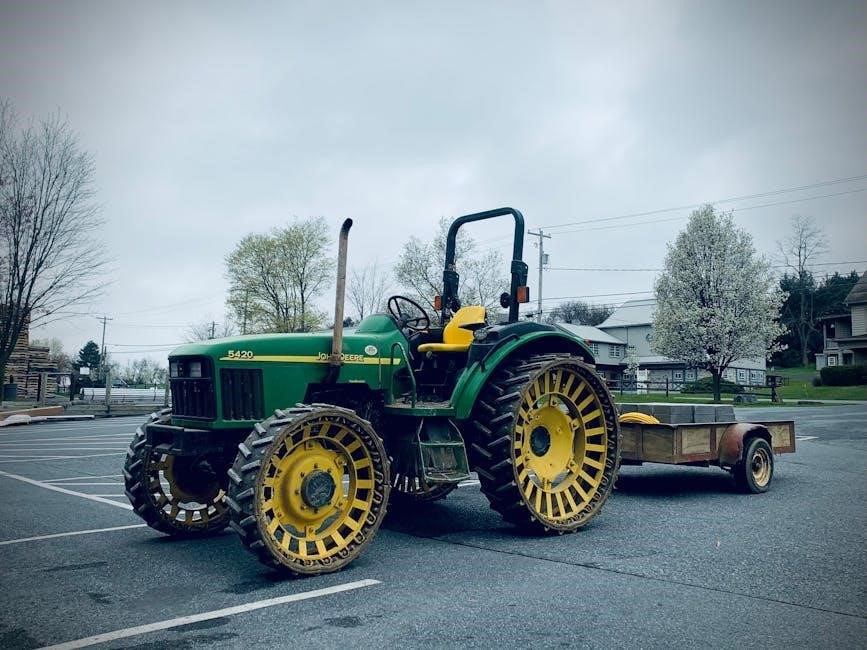
These visual guides, often found within the owner’s manual or service manual, simplify complex systems, enabling owners to perform maintenance and repairs confidently. Accessing these diagrams is key to successful LT155 upkeep.

Resources & Further Information
Download the LT155 PDF manual for comprehensive guidance, locate a John Deere dealer nearby, and utilize the Equipment Mobile App for support!
Downloading the LT155 Owners Manual PDF
Accessing the John Deere LT155 Owners Manual in PDF format is incredibly straightforward and provides a convenient, portable resource for all your tractor needs. A readily available digital copy ensures you have immediate access to vital information regarding operation, maintenance schedules, and troubleshooting procedures, directly from your computer, tablet, or smartphone.
Numerous online resources offer this manual for download, often free of charge. Searching for “John Deere LT155 User Manual PDF” will yield several results, including links to official John Deere resources and reputable third-party sites. Ensure the source is trustworthy to avoid downloading potentially harmful files.
The PDF format allows for easy searching, printing of specific sections, and zooming in on diagrams for detailed inspection. Having this manual digitally eliminates the risk of losing or damaging a physical copy, and it’s an invaluable tool for both seasoned mechanics and first-time tractor owners. Keep it readily accessible for a smoother ownership experience!
John Deere Dealer Locator
Locating your nearest authorized John Deere dealer is crucial for accessing genuine parts, professional service, and expert advice regarding your LT155 lawn tractor. While the owners manual and online resources provide extensive self-help information, certain repairs or maintenance tasks are best left to qualified technicians.
John Deere offers a comprehensive dealer locator tool on their official website. Simply enter your zip code or city and state to instantly find the closest dealerships, complete with contact information, addresses, and operating hours. This ensures you receive support from individuals specifically trained on John Deere equipment.
Authorized dealers can assist with everything from routine maintenance like oil changes and blade sharpening to more complex repairs involving the engine, hydraulic system, or electrical components. They also stock a wide range of genuine John Deere parts, guaranteeing compatibility and optimal performance. Don’t hesitate to reach out to your local dealer for any questions or concerns regarding your LT155.
Using the John Deere Equipment Mobile App
Enhance your LT155 ownership experience with the John Deere Equipment Mobile App, a powerful tool designed to streamline maintenance and provide convenient access to vital information. This app consolidates everything you need to manage your tractor directly on your smartphone or tablet.
Key features include searchable operators manuals – eliminating the need to carry a physical copy – and a maintenance tracking system to help you stay on top of scheduled servicing. The app also simplifies parts ordering, allowing you to quickly identify and purchase the components you need.
Furthermore, the app offers diagnostic troubleshooting assistance, potentially helping you identify and resolve minor issues yourself. It’s a centralized hub for all things LT155, providing information at your fingertips and empowering you to maximize the lifespan and performance of your lawn tractor. Download it today!
Recommended Lubricants & Fluids (DX, ENOIL4, JDS-G135)
Maintaining your John Deere LT155 requires using the correct lubricants and fluids to ensure optimal engine performance and longevity. John Deere recommends referencing specific modules and guides for accurate oil specifications.
For oil recommendations, consult Module DX and ENOIL4 within JDS-G135. These resources detail the appropriate oil types for your LT155’s engine, considering factors like operating conditions and climate. Additionally, Section 530 of the John Deere Merchandise Sales Guide provides comprehensive information on lubricants and hydraulics.
The Lubrication Sales Manual PI7032 is another valuable resource for John Deere dealers and owners seeking detailed guidance. Using the recommended fluids, like those meeting DX or ENOIL4 specifications, will protect your LT155’s vital components and contribute to years of reliable service.